
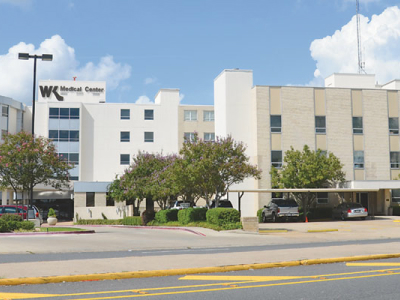


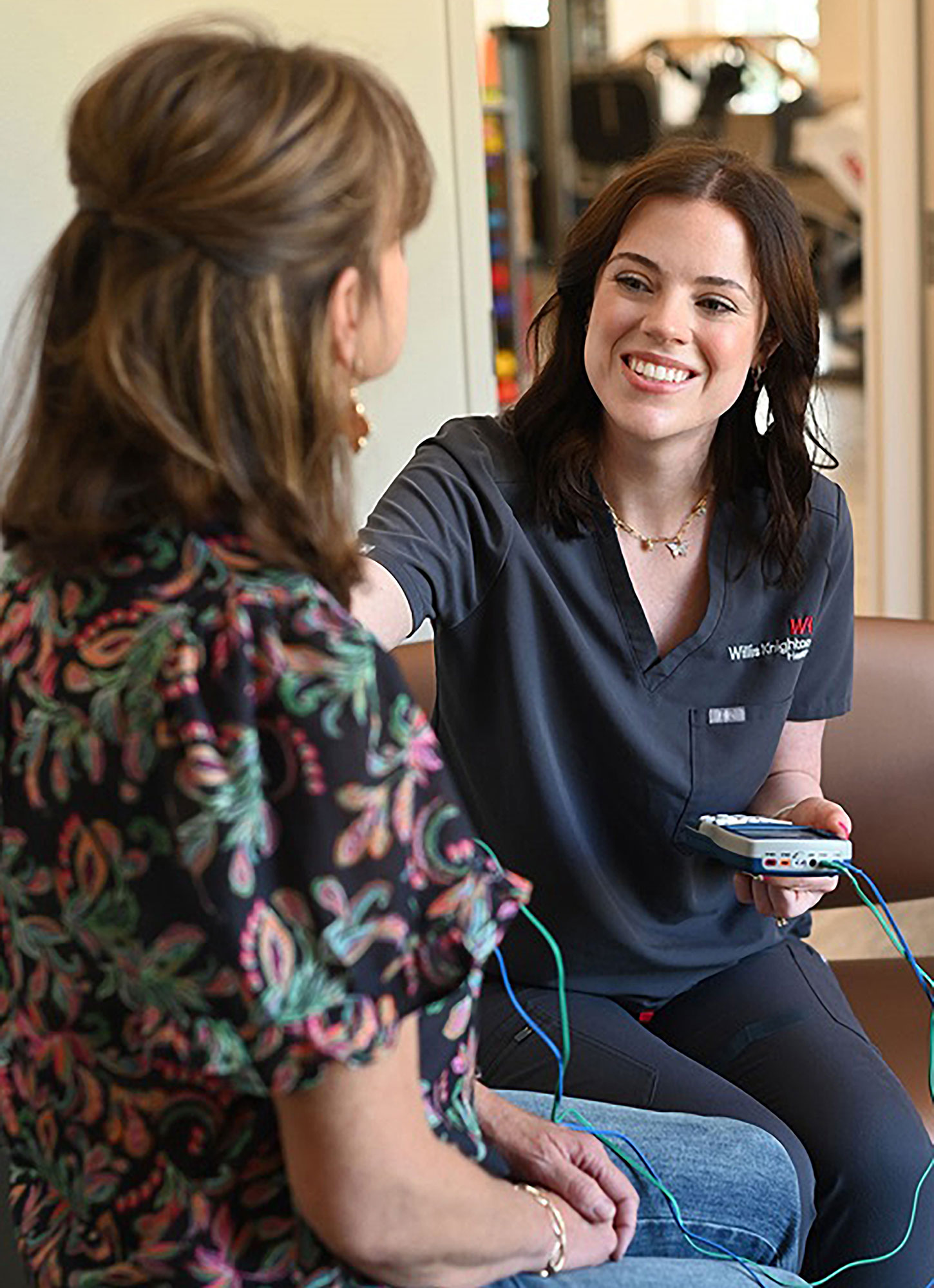




Willis Knighton Physical Medicine and Rehabilitation is pleased to announce the availability of pelvic floor therapy at two locations.
Jenny Lewis, PT, M.Ed., Cert DN, is providing services at Willis Knighton Rehabilitation Institute, and Bridget Dupree, PT, DPT, is providing services at Willis Knighton Bossier.
“Our pelvic health physical therapists are committed to being the providers of choice in our community and are excited to deliver patient-centered, compassionate and evidence-based care to the patients they serve,” said Lee Rielly, PT, Ph.D., assistant director of Physical Medicine & Rehabilitation.
Pelvic floor muscles play an important role in overall health. When they are weak, tight, tender or uncoordinated, they can cause problems for both men and women.
“One of the most rewarding parts of being a pelvic floor physical therapist is helping patients realize they don't have to live with symptoms they've often accepted as 'normal,' Dupree said. “Many people silently live with pelvic pain, bladder or bowel dysfunction, or discomfort during pregnancy and postpartum because they don't know effective treatment is available.”
Pelvic floor therapy can help treat several conditions, including:
- Urinary incontinence, frequency, urgency and nocturia
- Urinary retention
- Painful bladder syndrome
- Bowel incontinence, smearing and poor gas control
- Bowel frequency or urgency
- Constipation
- Rectal pain, hemorrhoids and anal fissures
- Pelvic organ prolapse
- Vaginismus, dyspareunia and vulvodynia
- Testicular and penile pain
- Erectile dysfunction and premature ejaculation
- Pain associated with pregnancy such as sacroiliac joint, low back and pelvic girdle pain
- Postpartum recovery with perineal scars and caesarean scars
- Diastasis rectus abdominus
- PudendaI nerve dysfunction
- Cancer recovery (mastectomy, lumpectomy, gynecological cancers, colorectal cancers and prostate cancer)
“My goal is to provide compassionate, evidence-based care that helps patients regain confidence, improve their quality of life and return to the activities they enjoy," Dupree said.
Treatment options include:
- Bladder and bowel training
- Manual therapy techniques and massage
- Exercise based therapy (local and global)
- Vaginal and rectal dilators or wands
- Modifications to sexual activity
- Nerve desensitization techniques
- Yoga and relaxation tools
- Diet and lifestyle modifications
- Biofeedback, ultrasound and E-stimulation
Lewis said pelvic floor physical therapy “aims to strengthen weak muscles, relax overly tight ones (and) improve bladder, bowel and sexual function, thus helping individuals return to daily activities with improved comfort, confidence and quality of life.”
Lewis and Dupree are accepting new patients. For more information or to set up an appointment, contact Lewis at Willis Knighton Rehabilitation Institute at 318-716-4720 or Dupree at WK Bossier Medical Pavilion at 318-212-7720.
Share


Willis Knighton Physical Medicine and Rehabilitation is pleased to announce the availability of pelvic floor therapy at two locations.
Jenny Lewis, PT, M.Ed., Cert DN, is providing services at Willis Knighton Rehabilitation Institute, and Bridget Dupree, PT, DPT, is providing services at Willis Knighton Bossier.
“Our pelvic health physical therapists are committed to being the providers of choice in our community and are excited to deliver patient-centered, compassionate and evidence-based care to the patients they serve,” said Lee Rielly, PT, Ph.D., assistant director of Physical Medicine & Rehabilitation.
Pelvic floor muscles play an important role in overall health. When they are weak, tight, tender or uncoordinated, they can cause problems for both men and women.
“One of the most rewarding parts of being a pelvic floor physical therapist is helping patients realize they don't have to live with symptoms they've often accepted as 'normal,' Dupree said. “Many people silently live with pelvic pain, bladder or bowel dysfunction, or discomfort during pregnancy and postpartum because they don't know effective treatment is available.”
Pelvic floor therapy can help treat several conditions, including:
- Urinary incontinence, frequency, urgency and nocturia
- Urinary retention
- Painful bladder syndrome
- Bowel incontinence, smearing and poor gas control
- Bowel frequency or urgency
- Constipation
- Rectal pain, hemorrhoids and anal fissures
- Pelvic organ prolapse
- Vaginismus, dyspareunia and vulvodynia
- Testicular and penile pain
- Erectile dysfunction and premature ejaculation
- Pain associated with pregnancy such as sacroiliac joint, low back and pelvic girdle pain
- Postpartum recovery with perineal scars and caesarean scars
- Diastasis rectus abdominus
- PudendaI nerve dysfunction
- Cancer recovery (mastectomy, lumpectomy, gynecological cancers, colorectal cancers and prostate cancer)
“My goal is to provide compassionate, evidence-based care that helps patients regain confidence, improve their quality of life and return to the activities they enjoy," Dupree said.
Treatment options include:
- Bladder and bowel training
- Manual therapy techniques and massage
- Exercise based therapy (local and global)
- Vaginal and rectal dilators or wands
- Modifications to sexual activity
- Nerve desensitization techniques
- Yoga and relaxation tools
- Diet and lifestyle modifications
- Biofeedback, ultrasound and E-stimulation
Lewis said pelvic floor physical therapy “aims to strengthen weak muscles, relax overly tight ones (and) improve bladder, bowel and sexual function, thus helping individuals return to daily activities with improved comfort, confidence and quality of life.”
Lewis and Dupree are accepting new patients. For more information or to set up an appointment, contact Lewis at Willis Knighton Rehabilitation Institute at 318-716-4720 or Dupree at WK Bossier Medical Pavilion at 318-212-7720.
Share